UGF- 6, Antriksh Bhawan, KG Marg, New Delhi-110001

Urban lifestyles have evolved rapidly in recent years. People now value convenience, time and access to multiple services within close proximity. Because people’s priorities have changed, city planning and real estate planning have also changed. Builders and planners can no longer design projects in isolation. As a result, mixed use ecosystems are increasingly compared with traditional standalone. Cities, developers, and buyers want to know which model suits modern urban life better. Mixed use ecosystems bring homes and leisure areas together while standalone projects focus on just one purpose
This blog explains both approaches in a clear and practical way about understanding their relevance in modern urban ecosystems
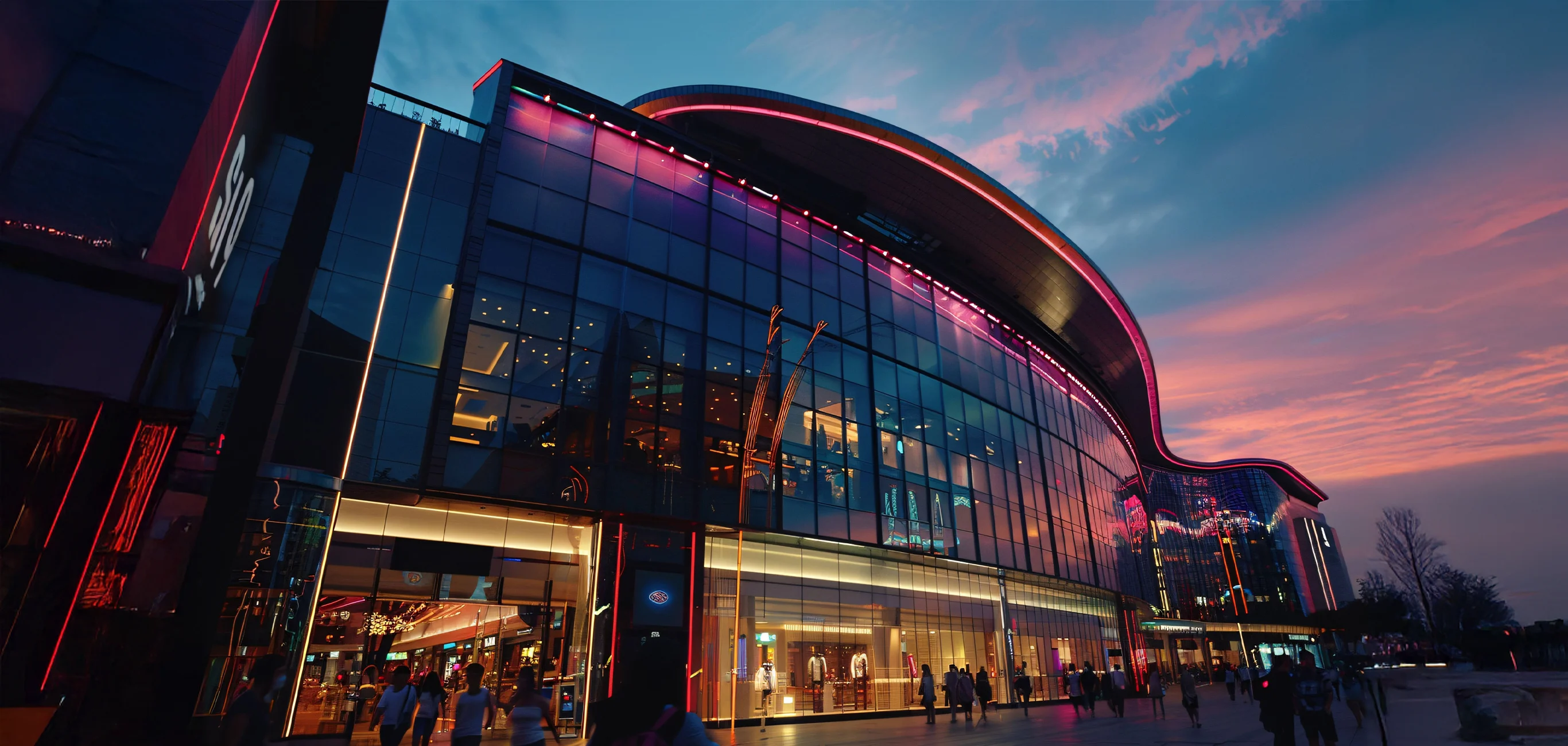
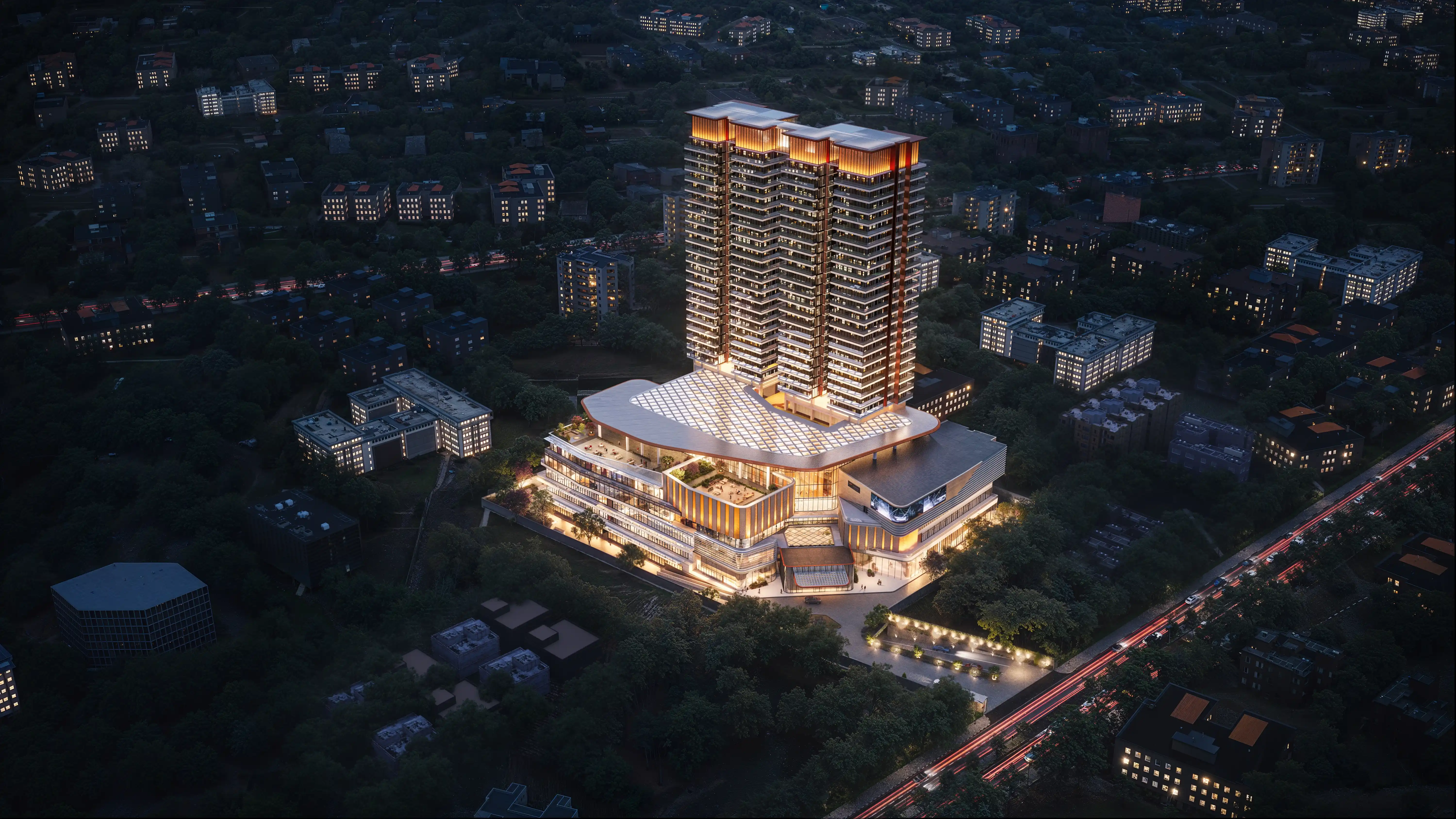
Mixed use ecosystems are developments where residential, commercial, retail and leisure spaces are planned together within one integrated area. People can live, work, shop and relax within the same space without travelling far.
These projects are also known as integrated developments because of infrastructure, mobility and public spaces .The project works like one complete unit and not just separate buildings.
Standalone projects are developments built for only one purpose such as only homes, only offices or only shopping areas. They depend on nearby areas for other needs.The comparison shows that cities today prefer developments where daily life is easier, travel is less, and spaces are better connected, which is why mixed use ecosystems are becoming more popular than standalone projects.
Long daily commutes have become a major problem in modern cities while traffic congestion is increasing, making travel stressful and inefficient. Mixed use ecosystems bring daily activities closer together, reducing the need for long-distance travel.
Homes, offices and recreational spaces are planned in one area, making life more convenient. Urban ecosystems become more balanced as residential and commercial spaces support each other.
This approach strengthens overall urban ecosystems and reduces pressure on city infrastructure.
The live work play model means planning cities so that homes, workplaces and leisure spaces are located close to each other. Less time is spent travelling long distances. Neighbourhoods remain active and lively throughout the day. The live work play model creates urban areas where people can live, work and relax in the same place, making city life easier and more balanced.
Standalone projects are real estate developments that are built for only one specific purpose. A project that has only homes, only offices or only shops. People living or working there must travel outside the project for daily needs. It depends heavily on nearby areas and external infrastructureIt works better in small towns or low-density areas.
Standalone projects are single-purpose developments that function independently but rely on surrounding areas to meet daily lifestyle needs.
Mixed use ecosystems offer benefits to multiple people at the same time, which is why they are becoming central to urban planning.
Key benefactors include:
Investors, who benefit from demand across residential and commercial sectors.
Sustainability is a major factor shaping future urban ecosystems. By facilitating shared infrastructure, promoting walking and public transportation and shortening travel distances- the mixed-use ecosystems promote sustainability.
Sustainability elements like water management, energy efficiency and green spaces can be incorporated into a project from the beginning, all thanks to integrated planning. In order to attain comparable results, standalone projects frequently need to be modified later which can be less efficient and more costly.
Integrated developments are complex to execute, despite their advantages.
Some common challenges can include:
1. How are integrated developments different from standalone projects?
Integrated developments serve for multiple purposes, while the standalone projects focus on a single use only.
2. Why is the live work play model important today?
Because it reduces commute time, improves work-life balance and support urban living.
3. Do standalone projects still work in modern cities?
Yes, but they often face limitations in large dense urban areas.
4. Are mixed use ecosystems better for investors?
They often provide more stable demand due to its various usage.
Disclaimer : The information available in this advertisement is subject to change without any notice. While every effort has been made to provide the details, particulars, contents and other graphics appearances in this advertisement as updated, correct, complete and accurate, nevertheless, inadvertent errors may occur in the information. Further, our website(s) and other advertising and publicity material include artist's impressions indicating the anticipated impressions of the appearance of completed development and do not constitute an offer, an invitation to offer and/or commitment of any nature between us and the recipient.
© Copyright 2026 SPJ, All Rights Reserved