UGF- 6, Antriksh Bhawan, KG Marg, New Delhi-110001

High street retail has dramatically changed over time; it has transitioned from a long-term, historic model of towns to a part of innovative mixed-use projects. In contemporary Indian cities, for example, high street retail is integral in creating walkable neighborhoods. Facilitating day-to-day convenience and building vibrant places to gather. These changes have directly resulted from consumers’ changing behaviours, the growth of urban population densities, and the demand for human-centred urban retail spaces.
Unlike traditional retail environments limited by being destination-only, today’s high streets are developed as daily extensions of the places where individuals live or work.
Today, high-street retail operates more based on experience than volume. Accessibility, visibility, and frequent activity are emphasized over less-frequent visits.
Key attributes of high street retail in today’s urban areas include:
This approach helps to align retail design and planning with actual people’s methods of moving around cities.
The decline of high streets and the excessive number of malls has resulted in the requirement for a new retail format that complements modern lifestyles.
Major reasons for the shift were:
These factors have shifted the view of high street retailing from being seen as a luxury to being viewed as a communal and functional necessity.
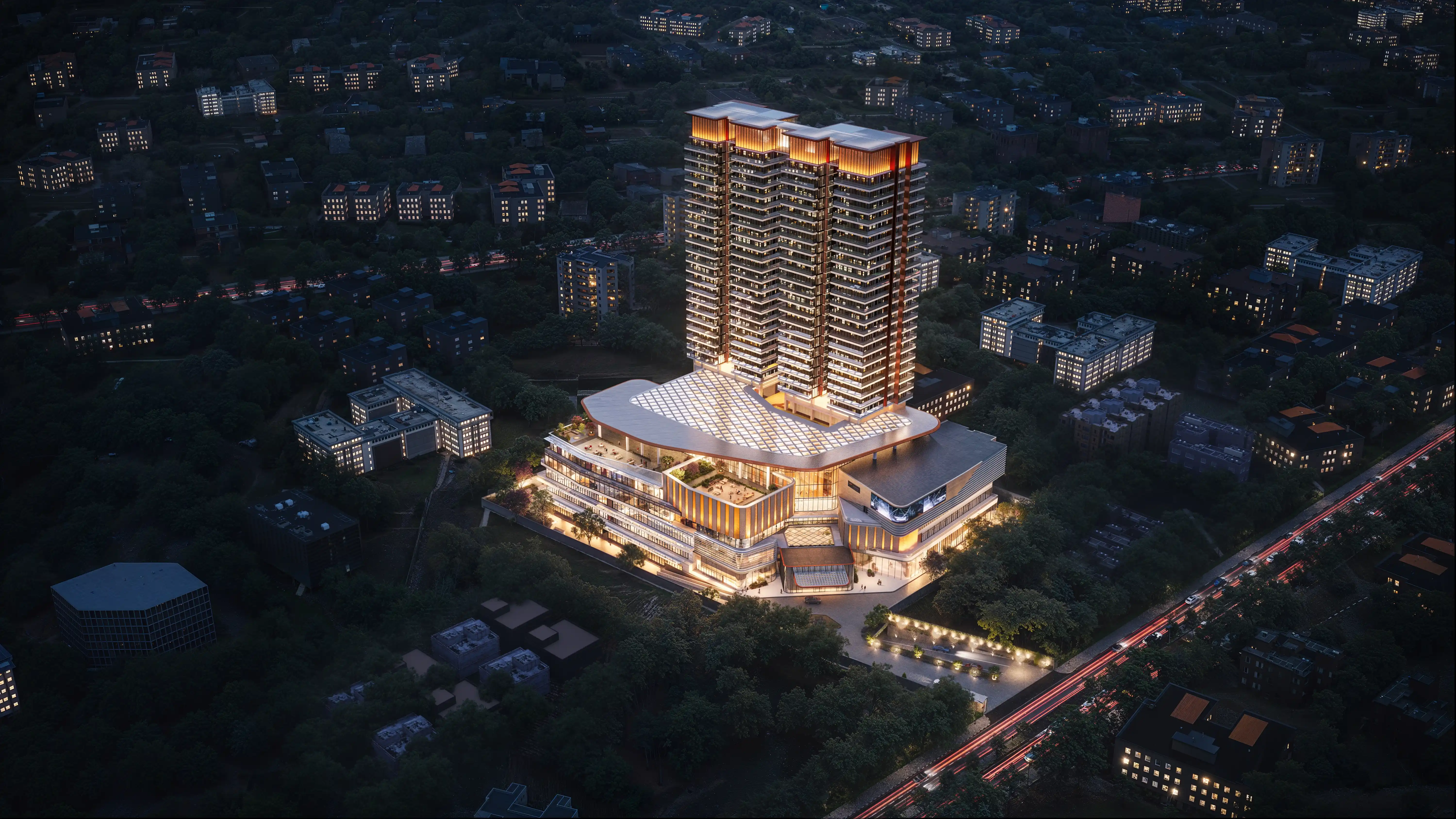
From 2010, developers began considering retail in large developments to be part of urban infrastructure rather than simply a means for revenue. In many large developments, retail was now planned to occur alongside residential units and office buildings, rather than after them.
This integration changed how retail performed. Residents would no longer visit retail locations once a week. Instead, they would go to these locations every day. Food service establishments and cafés have also helped to add activity both prior to and after store operating hours; therefore, retail areas have developed a rhythm, rather than having consistent peaks.
This development trend of "mixed-use" developments has contributed to a significant volume of absorption in the residential sector, as retail is more effective when it is an integral part of daily life.
India's rapidly growing metropolitan areas have quickened the launch of integrated high streets, especially in NCR.
Strong growth is visible in:
Cushman & Wakefield (2025) reports a 25% increase in lease volumes for integrated high street retail formats, with nearly 45% of luxury retail leases in the top 10 cities being located within high streets.
High street retail built into large property developments provides value to all stakeholders in different ways.
Key beneficiaries include:
Despite lower footfall numbers, high-street shops often achieve higher sales conversions and Tier-I city returns of 10–12%, outperforming many mall assets.
Moving forward, the focus will shift from building more stores to creating more functional streets.
The design of high street retail will prioritize shade, sustainability, flexibility, and stronger commercial street design principles. Retail planning and development will allow for pop-up shops, events, and formats that are continually evolving.
In rapidly developing corridors (e.g., Golf Course Extension Road), high street retail is now part of the overall community; thus, it will serve as the backbone of all residential activity.
1. What is the history and evolution of retail?
Retail has evolved through many stages of development. Early trading markets were barter, followed by bazaars, department stores, then malls, and finally integrated digital/physical retail experiences.
2. What is the future of high street retail?
The retail future will consist of experiential, mixed-use, walkable retail that is integrated with housing and tech-driven urban retail spaces.
3. What are the major factors influencing the growth and evolution of the retail sector?
Urbanisation, technological advancements, changing consumer behaviour patterns, the rise of e-commerce, and infrastructure improvements have all been contributors to the retail industry's ongoing growth and success.
4. What is the retail evolution theory?
Retail evolution theory explains cyclical shifts from low-cost formats to complex models, adapting to competition.
Disclaimer : The information available in this advertisement is subject to change without any notice. While every effort has been made to provide the details, particulars, contents and other graphics appearances in this advertisement as updated, correct, complete and accurate, nevertheless, inadvertent errors may occur in the information. Further, our website(s) and other advertising and publicity material include artist's impressions indicating the anticipated impressions of the appearance of completed development and do not constitute an offer, an invitation to offer and/or commitment of any nature between us and the recipient.
© Copyright 2026 SPJ, All Rights Reserved


