UGF- 6, Antriksh Bhawan, KG Marg, New Delhi-110001

Rapid expansion is occurring in cities across India at an extraordinary rate. Urbanization creates many common challenges and problems every day, including longer commutes, congested highways and roads, and increasing demands on overcrowded infrastructure and neighborhoods.
City planners and real estate developers are increasingly using mixed-use developments as a more intelligent, sustainable way to develop cities.
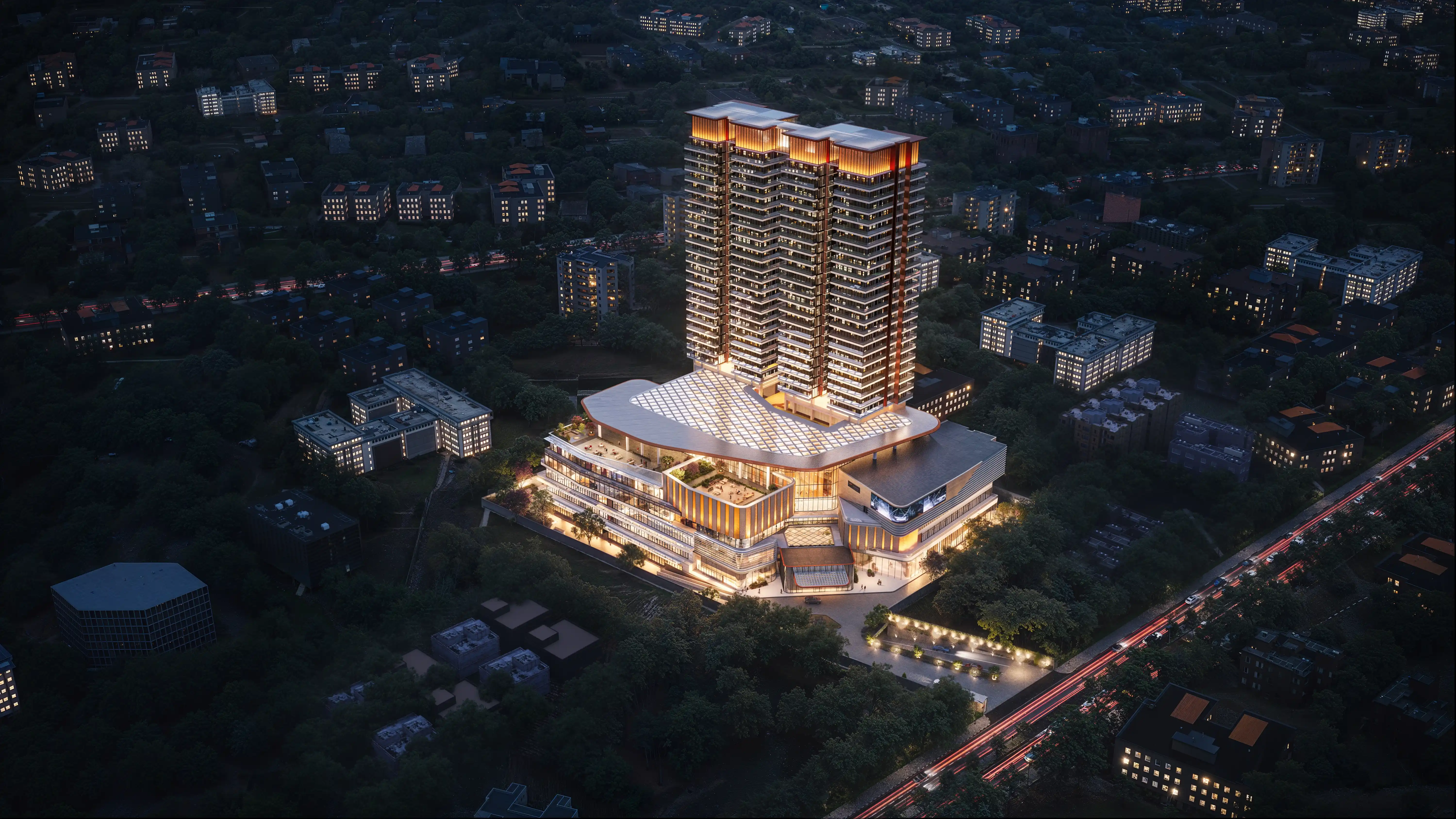
Mixed asset developments are more than just the simple combining of various types of real estate; they are the evolution of self-sufficient urban ecosystems where individuals can work, live, shop, and unwind in one central location.
Mixed asset developments consist of multiple land use types within a single planned project.
This typically includes:
Unlike traditional city planning that separates residential and commercial zoning, commercial and residential activities are merged throughout the city in a well balanced manner.
The most important reason for mixed asset planning in India is practicality. Many cities in India currently operate using distance based planning methods. This means that people travel long distances to work, learn, and fulfill their daily errands. Decreased dependence on private vehicles
Key benefits include:
This model supports sustainability while making cities more efficient.
Within urban areas, there exists a robust ecosystem made up of interconnected, self-sufficient neighborhoods rather than standalone projects.
In mixed asset developments:
As time passes, these mixed asset developments will become “mini cities” within the greater urban environment.
Government urban planning policies in India are encouraging the promotion of mixed land use.
The Ministry of Housing and Urban Affairs encourages mixed land use through:
To promote walkability around transit corridors, the TOD policy requires:
This model contributes to decreased car dependency and supports creating compact urban ecosystems.
Policies such as the Madhya Pradesh Integrated Township Policy (2025) support mixed asset developments by offering:
It applies to mixed asset development with an area of more than 500 sq. m or 8 units in a project. RERA provides the following:
There are many registered mixed developments in states, such as Karnataka, so that buyers can monitor the progress and sustainability of their investments as well as their developers.
1. What are the 4 pillars of urban sustainability?
There are four main pillars: environmental protection, social equity, economic viability, and efficient governance to support sustainable development through long term balanced growth.
2. What are the 5 C’s of sustainable development?
The five C's of sustainable development are conservation, connectivity, community, climate responsibility, and circular resource use.
3. How does urban development affect the ecosystem?
Urban development can impact the ecosystem by changing land use types, increasing the consumption of resources, impacting biological diversity, and creating a greater burden on natural systems if it is not developed in a sustainable manner.
4. What is an example of a self sustaining ecosystem?
A mixed asset township where homes, businesses, services, and green spaces coexist, reducing travel needs and supporting local resource cycles.
5. What makes urban development sustainable?
Urban development becomes sustainable when it balances growth with environmental care, efficient infrastructure, social inclusion, and long term community well being.
Disclaimer : The information available in this advertisement is subject to change without any notice. While every effort has been made to provide the details, particulars, contents and other graphics appearances in this advertisement as updated, correct, complete and accurate, nevertheless, inadvertent errors may occur in the information. Further, our website(s) and other advertising and publicity material include artist's impressions indicating the anticipated impressions of the appearance of completed development and do not constitute an offer, an invitation to offer and/or commitment of any nature between us and the recipient.
© Copyright 2026 SPJ, All Rights Reserved


