UGF- 6, Antriksh Bhawan, KG Marg, New Delhi-110001
Cities today are expanding at an unprecedented pace, driven by population growth, economic activity, and evolving lifestyles. Expanding populations, changing lifestyles and economic growth have resulted in urban areas as we know them today, placing new demands on housing, infrastructure, and public services. At the heart of this process of change are integrated urban development projects which do not just change the face of city skylines, but also influence how people live and work . They go far beyond individual buildings to affect transport systems or whole neighbourhoods. Indeed, they can help shape urban communities and new economies as well!
what they are and how they are shaping cities in a nutshell. This blog explains how large scale developments are shaping modern cities, why they matter and who benefits from them
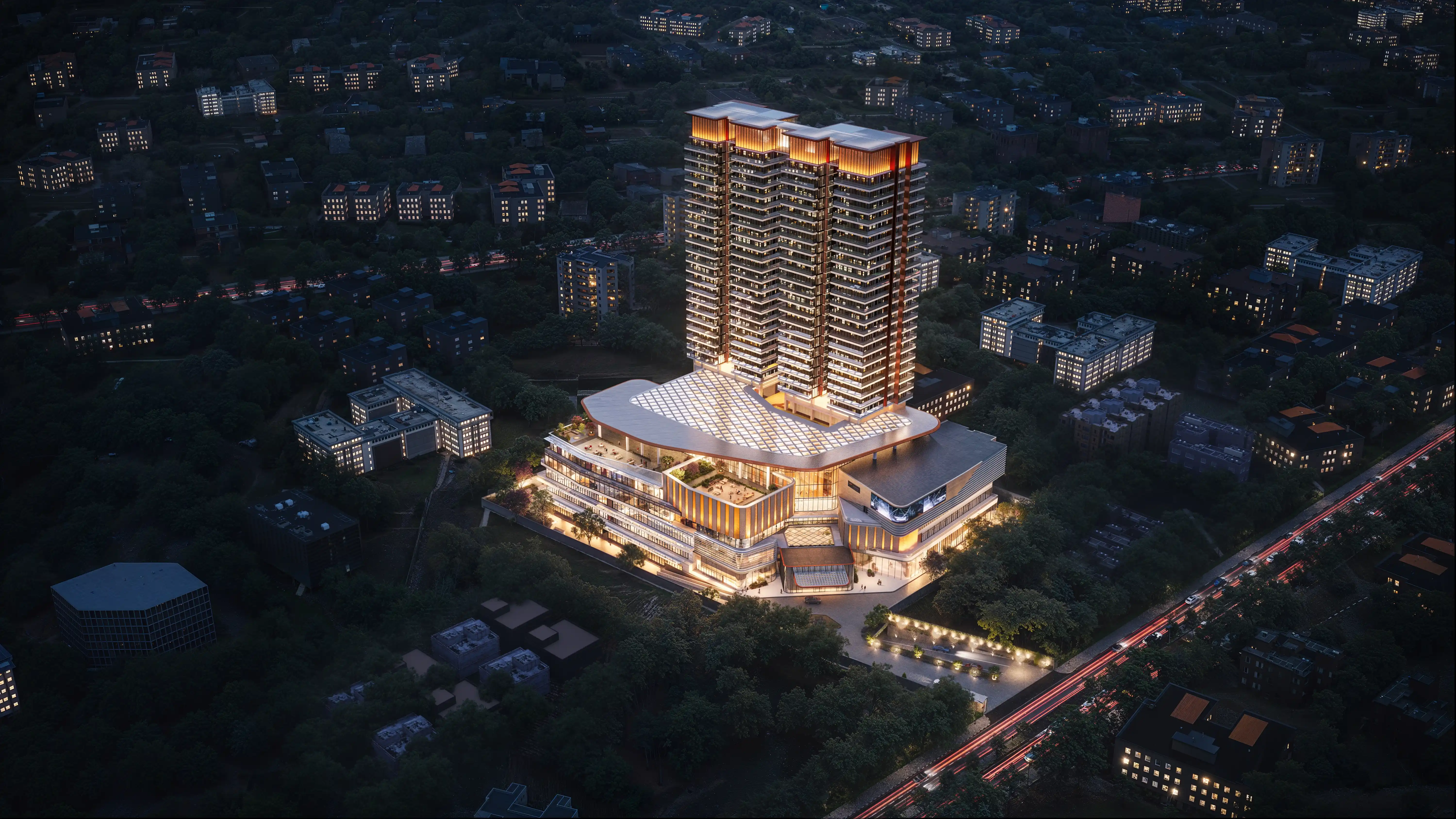
Large scale developments are integrated real estate projects that combine residential, commercial, and infrastructure elements.It is a concept of real estate projects that are to be planned and built on a large area, combining in one integrated space different functions. Unlike projects focusing on only one function residences or business offices. For example- these projects offer a harmonious combination of housing , then office after that a shop and entertainment areas go on stage successively till public facilities such as the library or museum. These larger scale developments are often referred to as 'mega projects,' on account of their size, investment value and long term impact upon cities that they touch. A large-scale development system is not a collection of isolated buildings but rather a self-sustaining urban ecosystem which provides both habitat to human beings and all the facilities required for manufacturing life.
Mega developments play a critical role in urban transformation. We have seen mega developments shape a city because mega developments solve city problems at once. Growing cities often deal with overcrowding, wasted land and stretched infrastructure. Mega developments can lower the pressure on city centres by allowing expansion. Mega developments use zoning to make land use better to add jobs and to push for better infrastructure planning, from the start. By fixing each problem one at a time mega developments let the planners rethink housing, transport and public spaces together.
1. Better Infrastructure Planning
The large projects let developers and authorities plan the roads, the drainage, the power supply and the transport systems ahead of time. Large projects result in:
2. Mixed-Use Living
One of the benefits of landmark real estate projects is mixed‑use planning. Mixed‑use planning gives residents the chance to live, work, shop and relax all in the place. Mixed‑use planning cuts the travel time for residents.
3. Improved Quality of Life
With parks, walking zones, community spaces and social infrastructure built in, people can experience:
4. Economic Growth
The large scale developments attract the businesses, startups and the global brands. The large scale developments increase:
The benefits of landmark real estate projects spread to groups. Residents get housing, amenities and have commutes which improves the overall living standards. Businesses get locations. Businesses benefit from strategic locations, ready infrastructure and higher visibility due to increased footfall.Cities and governments get planned expansion, revenue and reduced pressure on infrastructure systems. Investors also benefit because the large scale developments often give long term value appreciation,stable rental demand and relatively lower risk due to structured planning and scale.
Modern large scale developments no longer focus on size or scale. Modern large scale developments now make sustainability a key part of the planning and execution. It has been seen that many mega developments add building practices, energy efficient systems, rainwater harvesting, waste management planning and public transport integration. By embedding sustainability into the design stage, these projects support urban transformation. Sustainability in the projects helps the transformation that balances growth, with the responsibility and resource conservation.
While the benefits are strong, large scale projects also come with challenges:
A successful urban transformation needs balance. This depends on balancing growth with social and environmental responsibility.
The developers behind real estate projects are not builders any more. The developers act as:
The decisions of planners shape how the cities work for decades. Responsible planning, transparency and long-term vision matter for the projects as it needs planning, transparency and long-term vision to really benefit the populations.
Successful urban transformation depends on responsible planning and sustainability.
1. How are mega developments different from regular projects?
Mega developments focus on the long term city planning and not just individual building, and impact entire urban zones.
2. Do landmark real estate projects increase property value?
Yes, well-planned projects often lead to higher appreciation because of improved infrastructure and demand.
3. Are large scale developments sustainable?
Most modern projects have sustainability features. The sustainability features are spaces, energy efficiency and smart infrastructure.
4. How do these projects support urban transformation?
They improve connectivity, reduce congestion and create organised city growth.
Disclaimer : The information available in this advertisement is subject to change without any notice. While every effort has been made to provide the details, particulars, contents and other graphics appearances in this advertisement as updated, correct, complete and accurate, nevertheless, inadvertent errors may occur in the information. Further, our website(s) and other advertising and publicity material include artist's impressions indicating the anticipated impressions of the appearance of completed development and do not constitute an offer, an invitation to offer and/or commitment of any nature between us and the recipient.
© Copyright 2026 SPJ, All Rights Reserved