UGF- 6, Antriksh Bhawan, KG Marg, New Delhi-110001

Properly planned commercial real estate projects create long-term functional value and operational stability. Developers study market conditions to ensure that they design projects that are well-positioned for the long term, considering factors such as location, tenant mix, design, and sustainability. This blog outlines how developers approach the commercial project planning process to create successful and enduring commercial developments.
Unlike investor-focused content that evaluates returns and pricing, this article explains commercial project planning from a developer’s perspective. It covers how developers assess locations, plan design, manage approvals, and structure leasing strategies to ensure long-term functionality and relevance of commercial developments.
Commercial project planning differs significantly from residential planning. Developers must account for daily footfall patterns, operational logistics, service access, and long-term tenant requirements, which makes planning a far more complex and strategic process.
Unlike residential developments that primarily serve individual buyers, commercial projects must balance the needs of business operators, customers, service providers, and long-term asset management teams.
The purpose of commercial projects is to serve multiple stakeholders; therefore, developers must have a thorough understanding of market demand, financial viability, and operational efficiencies to develop successful commercial projects. Unlike residential developments, where the primary consideration is the home buyer, commercial projects have to balance the requirements of the business owner, customer, and investor. As a result, poor planning leads to poor occupancy, limited foot traffic, and operational difficulties.
Planning commercial real estate projects requires long-term thinking. Developers need to consider how the evolution of consumer behavior, the development of infrastructure, and the needs of businesses will evolve over the next ten to twenty years.
While investors focus on acquisition cost and expected returns, developers plan commercial projects around usage, durability, operational efficiency, and adaptability. This includes planning for tenant turnover, evolving retail formats, infrastructure upgrades, and compliance over the entire lifecycle of the project.
Developers also evaluate future infrastructure plans, zoning changes, and mobility patterns to ensure the selected location remains commercially viable for decades, not just at the time of launch.
The commercial planning process starts with extensive market research. The developer must review the market area in which they are developing a project to determine the current level of demand, the competition, and the current and future population growth patterns. Location is one of the most critical factors in determining the long-term success of a project.
Developers should look for locations with good access, good road networks, good locations for retail, and good visibility to main roads.
In addition to present-day demand, developers also study future infrastructure plans, zoning changes, and mobility patterns to ensure the location remains commercially viable over the long term.
When the site has been selected, the developers will define the purpose of the project, which could be retail-based, office-based, mixed-use, or a hybrid of any of these formats. A clearly defined vision will ensure consistency throughout the process, including design, leasing, and marketing. Typically, experienced developers develop fully integrated commercial centers where retail, restaurants, and services are all within the same complex to promote a longer stay for visitors.
A clearly defined project vision helps maintain consistency across design, leasing, and operational decisions throughout the project lifecycle.
Financial projections and planning are a very critical aspect of any commercial development. The developer will prepare very detailed feasibility studies to help determine the actual cost to build, projected costs for rent, operating expenses, and potential long-term return on the project. Assessing risk is also included in this portion of the developers' plans, as they assess how changing market conditions, expected vacancies, and operating costs will affect the financial viability of the project during slower market conditions.
From a development perspective, financial planning focuses on feasibility, cost control, and long-term operational sustainability rather than short-term profitability.
When planning commercial real estate projects, think about how the design of a commercial project can impact the project's performance over time. With this in mind, designing commercial real estate development in today’s environment must focus more on function and flexibility.
Therefore, by designing and having well-designed infrastructure, you will create a better tenant experience, reduce the total number of operational challenges, and create much greater long-term value for your project.
Zoning regulations, safety regulations, and environmental regulations all affect the timing and cost of commercial development approvals.
Planning to incorporate regulatory compliance from the beginning of a commercial project planning will allow for smoother, faster project execution and timely project completion.
Early regulatory planning helps developers avoid delays, control costs, and ensure long-term compliance throughout construction and operations.
The quality of construction execution is what determines whether the developer's planning will yield desired results.
To ensure quality is maintained, developers closely monitor the construction time schedules, the materials used, and how different trades coordinate on the construction site.
As commercial buildings must also meet higher structural requirements and provide more service options than residential buildings, maintaining consistent quality control preserves the value of the asset and mitigates long-term maintenance costs.
Regular quality audits and monitoring ensure that construction standards align with the long-term operational needs of commercial buildings.
A successful commercial developer will create a leasing strategy that targets a variety of tenants
From a planning standpoint, leasing strategies are designed to create balanced usage patterns rather than maximise short-term revenue and focus on presenting the best possible combination of
Well-managed projects are able to maintain competitiveness through ongoing upgrades and continued tenant support.
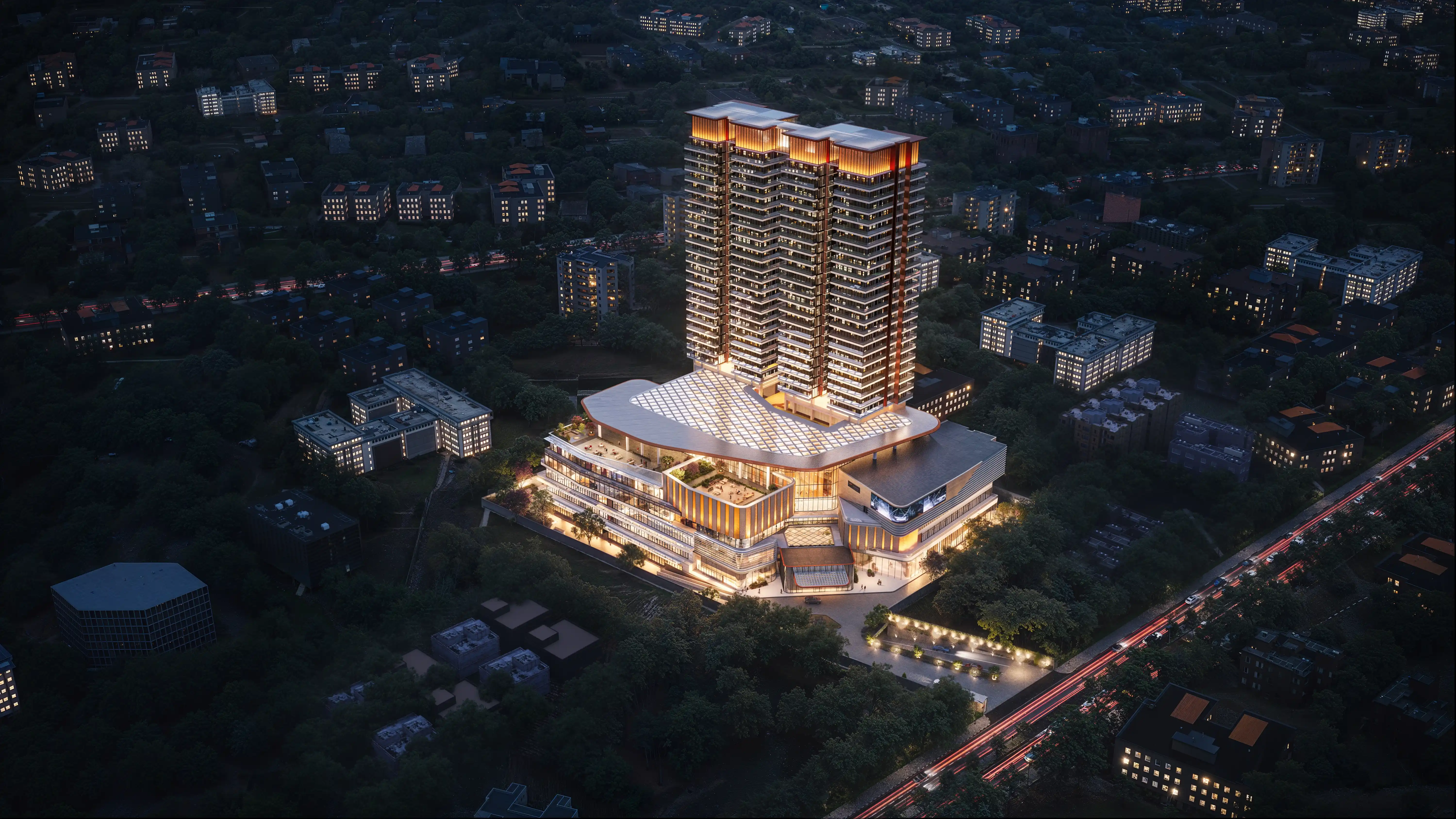
Examples of this in Gurgaon-based developments demonstrate how strategic site location, functional design, and the development to create balanced tenant mixes assist developers in meeting their long-term goals for the development. Well-planned leasing strategies support smoother operations, consistent footfall, and long-term relevance of commercial developments. This approach can be seen in projects developed by groups such as SPJ.
1.What is commercial project planning?
Commercial project planning refers to the process developers use to assess location, design, approvals, construction, and leasing strategies to ensure long-term functionality and success.
2.Why is commercial project planning important?
The planning phase can take several months to over a year, depending on project scale, approvals, and site complexity.
3.What role does design play in commercial project success?
Design directly impacts tenant experience, operational efficiency, and the ability of a project to adapt to future market changes.
4.How do developers plan tenant mix in commercial projects?
Developers balance different tenant categories to ensure consistent usage, operational compatibility, and long-term sustainability.
5.How long does commercial project planning take?
Commercial project planning can take several months to over a year, depending on project scale, approvals, site conditions, and regulatory requirements.
Disclaimer : The information available in this advertisement is subject to change without any notice. While every effort has been made to provide the details, particulars, contents and other graphics appearances in this advertisement as updated, correct, complete and accurate, nevertheless, inadvertent errors may occur in the information. Further, our website(s) and other advertising and publicity material include artist's impressions indicating the anticipated impressions of the appearance of completed development and do not constitute an offer, an invitation to offer and/or commitment of any nature between us and the recipient.
© Copyright 2026 SPJ, All Rights Reserved


