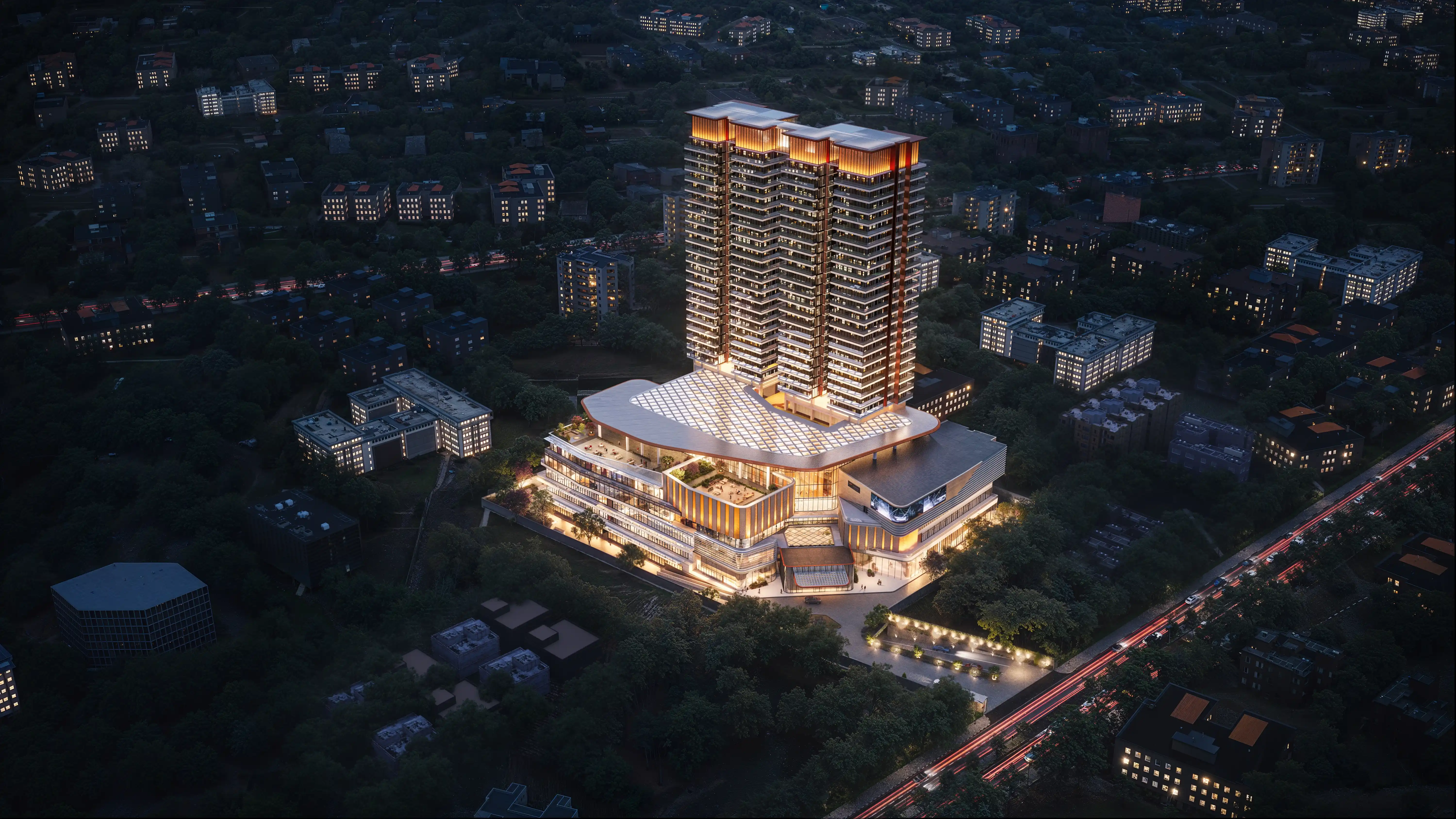
UGF- 6, Antriksh Bhawan, KG Marg, New Delhi-110001
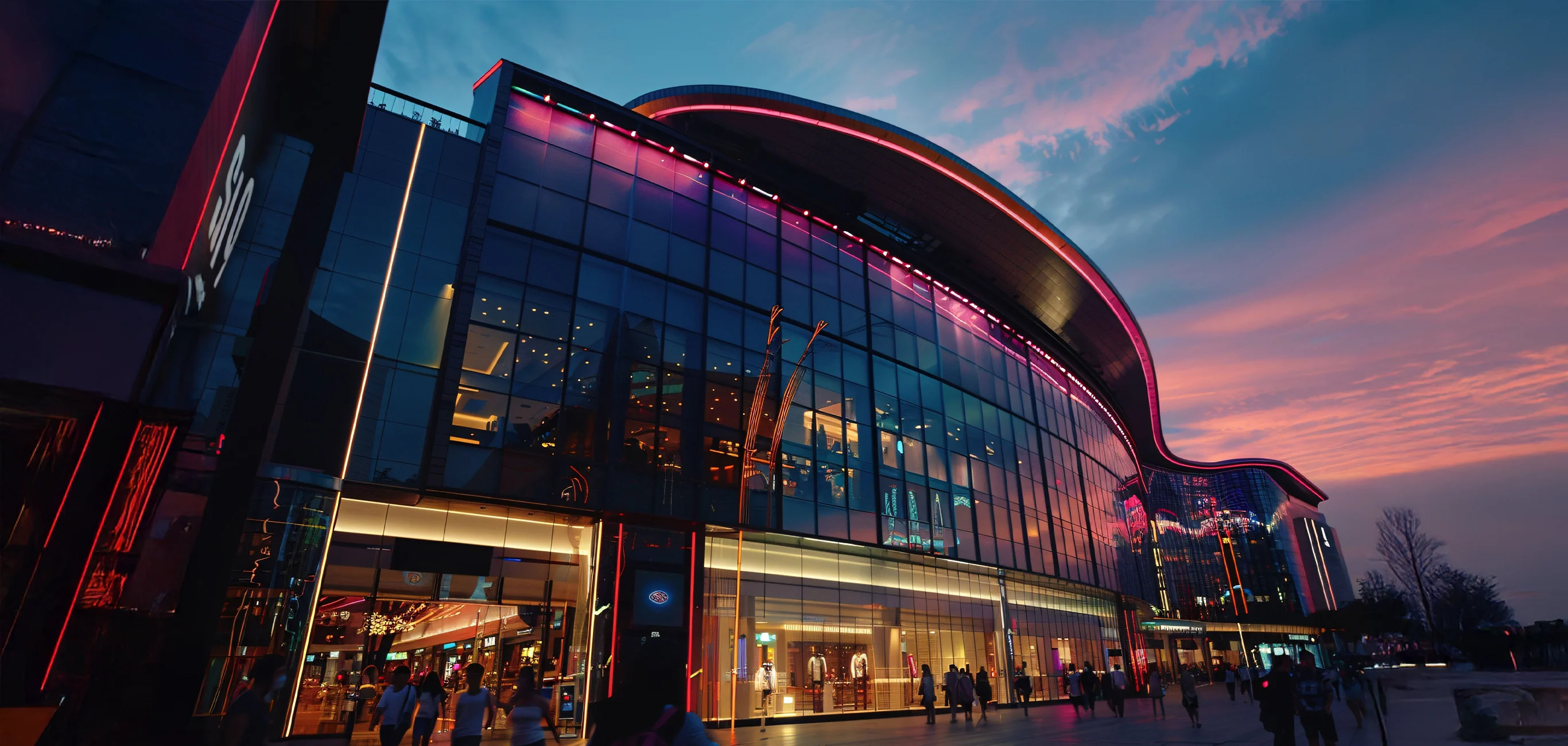
Commercial development is a structured process that shapes how businesses, employment zones, and economic activity are organized within a city. The primary goal of commercial development is not limited to physical buildings; therefore, the term is defined by the creation of economic hubs that generate jobs, foster entrepreneurship, and support the long-term growth of cities.
In today’s urban environment, commercial development plays a key role in shaping urban business ecosystems. Successful commercial development creates structured, scalable environments where businesses can thrive, providing them with access to multinational companies and enabling small businesses to enter the marketplace and connect with a larger customer base.
1. The movement of commercial development is shifting towards a connected (integrated) area consisting of office spaces, transportation, residential areas, and other everyday amenities.
2. Urban commercial development has become a top priority for many cities. Cities across the world will increasingly be looking to the development of "flexible workspace," "mixed use," and "transit-oriented growth" to find the right balance for their future urbanisation strategies.
3. In India, the development of urban commercial developments along metro corridors and economic clusters will reduce travel times, enhance land value, and provide for sustainable city expansion through data-driven planning processes.
Commercial development controls where a business can locate:
1. A central business district (CBD) allows businesses to benefit from the highest visibility and access to top-drawn companies.
2. Emerging commercial corridors provide cost efficiency and long-term growth.
3. Mixed-use neighborhoods combine workspaces, retail, and lifestyle amenities.
These zones are often the result of large-scale commercial development, guiding renters toward areas with future economic significance.
This highlights how commercial development influences not only business activity but also broader urban affordability and lifestyle patterns.
Urban commercial development projects generally increase the overall cost of living in urban areas. A higher-density area will typically generate increased rental rates, higher service costs, and increased infrastructure. However, a higher-density commercial area will also provide tenants with better access to employment, public transportation, and lifestyle conveniences.
|
Factors |
High Commercial Development Zones |
Emerging Development Areas |
|
Level of Rent |
Rent increases as a result of high demand |
More reasonably priced with potential to grow |
|
Everyday Costs |
Expensive facilities and services |
Moderately priced essentials |
|
Location and Availability |
Excellent public transport and infrastructure |
Improving connectivity with new projects |
An understanding of the planning process involved in developing a commercial project helps tenants to better make long-term decisions for their business.
One of the growing trends in urban commercial development is the adaptive reuse of older industrial and commercial buildings. The conversion of old factories, warehouses, and large industrial buildings into shared office spaces, co-working hubs, and retail establishments is a growing trend in urban commercial development. Adaptive reuse projects create less construction waste, maintain some of the character of cities, and redevelop areas that are underutilized, making them both sustainable and commercially viable.
Adaptive reuse has become an important component of modern commercial development strategies in dense urban environments.
Recent announcements of new commercial launches reflect an increased confidence in the marketplace. Announcing commercial business parks, integrated commercial hubs, and mixed-use developments tends to happen just before the announcement of infrastructure improvements as well as job growth. If you're an investor or business owner, tracking announcements of commercial development will allow you to identify new opportunities that are emerging throughout cities.
1. The core of urban commerce is based on commercial development.
2. Success in urban commerce is dependent on strategic planning.
3. Commercial activities dictate the demand & cost of living in a neighborhood.
4. Adaptive reuse creates opportunities for sustainable, long-term commercial development.
Planned commercial development creates more than just urban development; it also creates economic growth.
1. What is commercial development?
Commercial development refers to the planning and construction of real estate projects designed for business use, supporting employment, economic activity, and organized urban growth.
2. Where does urban business development Take Place?
Urban business development takes place in commercial zones that have been developed with access to infrastructure, workforce, and consumer demand. Upon the completion of these commercial hubs, they will create better access to businesses and a greater ability to trade efficiently and conduct economic activity.
3. What Is Commercial Development?
Commercial development refers to the process of planning and building real estate developed specifically for business use. These developments will allow for continued economic growth, employment, and organization of urban expansion.
Disclaimer : The information available in this advertisement is subject to change without any notice. While every effort has been made to provide the details, particulars, contents and other graphics appearances in this advertisement as updated, correct, complete and accurate, nevertheless, inadvertent errors may occur in the information. Further, our website(s) and other advertising and publicity material include artist's impressions indicating the anticipated impressions of the appearance of completed development and do not constitute an offer, an invitation to offer and/or commitment of any nature between us and the recipient.
© Copyright 2026 SPJ, All Rights Reserved


