UGF- 6, Antriksh Bhawan, KG Marg, New Delhi-110001

Two of the most frequently bounced terms in commercial real estate are anchor stores and vanilla stores. These two retail concepts pave the way for shaping shopping centres, malls, and even standalone retail locations. Real estate investors need to understand the difference between an anchor store and a vanilla store, as that is something that impacts decision-making in leasing, investment, footfall generation, and long-term profitability.
As the retailing landscape continues to take different twists and turns,
Anchor stores can be classified into different categories based on their role in attracting customers and driving footfall in shopping malls.
Department stores offer a wide range of products under one roof and act as major traffic drivers. Supermarkets and hypermarkets ensure consistent daily footfall as they cater to essential needs. Entertainment anchors such as cinemas and gaming zones attract weekend and evening crowds. Lifestyle anchors, including premium fashion brands, enhance the overall appeal and positioning of a mall.
shopping malls and commercial centres are now more than ever focusing on tenant mix strategies. This equation has two different concepts: anchor stores and vanilla stores. Of late, companies have offered different roles, each different from the other within the best commercial investment property in Gurgaon. The knowledge of each will help in investment by investors on the purchase of investment properties, including shopping malls, retail spaces, or even commercial property, to maximise return while minimising risk.
Anchor stores, or “draw stores,” are large retail outlet establishments that find their way into prime locations within malls or big commercial properties. Anchor stores are usually part of the major retail store chains or big brand names such as Walmart, or IKEA. Their general purpose is to attract in-mall foot traffic.
Anchor stores play a crucial role in increasing footfall and attracting large volumes of customers.
They improve the visibility of smaller stores and strengthen the overall brand image of a shopping mall. Anchor tenants also ensure consistent traffic throughout the year, making them essential for long-term leasing stability and investor confidence.
Since anchor stores have a powerful branding and marketing muscle, they attract consumers into the mall or retail centre by having smaller retailers behind them.
The biggest portions of a shopping centre are occupied by anchor stores. These stores are usually located on the corners or along the main corridors of the shopping centre. Therefore, anchor stores require ample space, which ranges between 50,000 and 200,000 square feet.
They are typically big retailers with strong and highly established brand recognition. These brands are consumer magnets, which attract vast volumes of foot traffic into the retail complex.
Because of the size of the operations, anchor stores typically sign for long-term leases, 10-20 years. That offers stability for the shopping centre and then also helps secure additional tenants knowing that a high-name retailer will be in the location for a long period.
The vanillas are the smaller retail outlets, often located around or next to anchor stores found in shopping centres or malls. These usually are independent-owned or smaller chain stores. Vanillas generally take up smaller spaces as well, measuring 500 to 5,000 square feet, and sell a huge variety of items, from clothing to accessories and more specific items.
Vanilla stores are essential for converting footfall into actual sales.
While anchor stores bring customers into the mall, vanilla stores offer variety, niche products, and personalized shopping experiences. They also contribute significantly to rental income due to higher rent per square foot.
Vanilla shops are usually much smaller than anchor stores and so occupy a relatively tiny footprint. They typically line the prominent walkways or sit near anchor stores to capitalise on spillover traffic.
As compared to anchor stores, the lease period for vanilla stores is typically fewer years. While this is a flexibility consideration, it also affects the turnover rates in shopping centres.
Independent retailers or smaller chain operations usually comprise these shops. Such stores add variety to a shopping mall or retail centre because they cater to niche markets or specific customer preferences.
Anchor Stores vs. Vanilla Stores: Comparison Points
The two clearly contrast each other in size, as anchor stores are big because they take tens of thousands of square feet, though the whole case is a bit different with the vanilla stores being much smaller and occupying anywhere from a few hundred up to a few thousand square feet. An anchor store is strategically placed at the end of corridors or at corners to attract maximum visibility and foot traffic, while the vanilla stores fill up available gaps.
Anchor stores are the shop-attracting traffic and are a primary reason why customers go to a mall. Once the consumers have entered the mall, the vanilla stores rake in the incoming foot traffic created by the anchor stores. For instance, according to a 2019 study by CBRE, it was revealed that anchor stores could increase foot traffic in malls by up to 40% while the sale gain experienced from the vanilla stores stood at 15-20% through proximity to anchor tenants. This symbiotic relationship highlights the importance of a well-balanced tenant mix in a mall,
Risks of Anchor Stores
Despite their advantages, anchor stores come with certain risks.
A high dependency on a single large tenant can impact the entire mall if the store closes or relocates. They also occupy large spaces and often generate lower rental yield compared to smaller stores. Proper tenant mix planning is necessary to balance these risks.
where anchor stores play a crucial role in driving foot traffic and boosting overall sales for the entire shopping centre.
Anchor stores usually have higher term leases, which can be between 10-20 years, with a lesser rate per square foot because landlords would prefer a long-term anchor store which will operate on a consistent pattern of attracting foot traffic. On the other hand, vanilla stores are signed up for shorter term periods, say between 3-5 years as they are tied to the foot traffic generated by an anchor store Revenue and Marketing Impact
The anchor stores usually perform their marketing and advertising; they attract a lot of customer traffic due to the brand. The vanilla stores usually rely on the traffic of anchor stores, which means that though there has been very little marketing by the vanilla store, it benefits indirectly from the marketing efforts of the anchor store. For example, Walmart or Target may be doing a national advertisement that unknowingly benefits a smaller vanilla store in the same shopping centre by sending customers into the area.
In modern retail environments, anchor stores are commonly seen in large shopping malls and commercial developments.
Examples include hypermarkets, multiplex cinemas, international fashion brands, and large electronics retailers. These stores act as major attractions and play a crucial role in influencing customer movement and shopping behavior within the mall.
From the investor’s perspective, anchor stores are safe in the long run because they hold long-term leases with a brand name. In comparison, vanilla stores holds relatively short leases with greater rates of turnover. According to a study conducted by Deloitte in 2022, retail investments in a combination of anchor stores and vanilla stores have ensured a perfect risk-reward equation over a 10-year holding period.
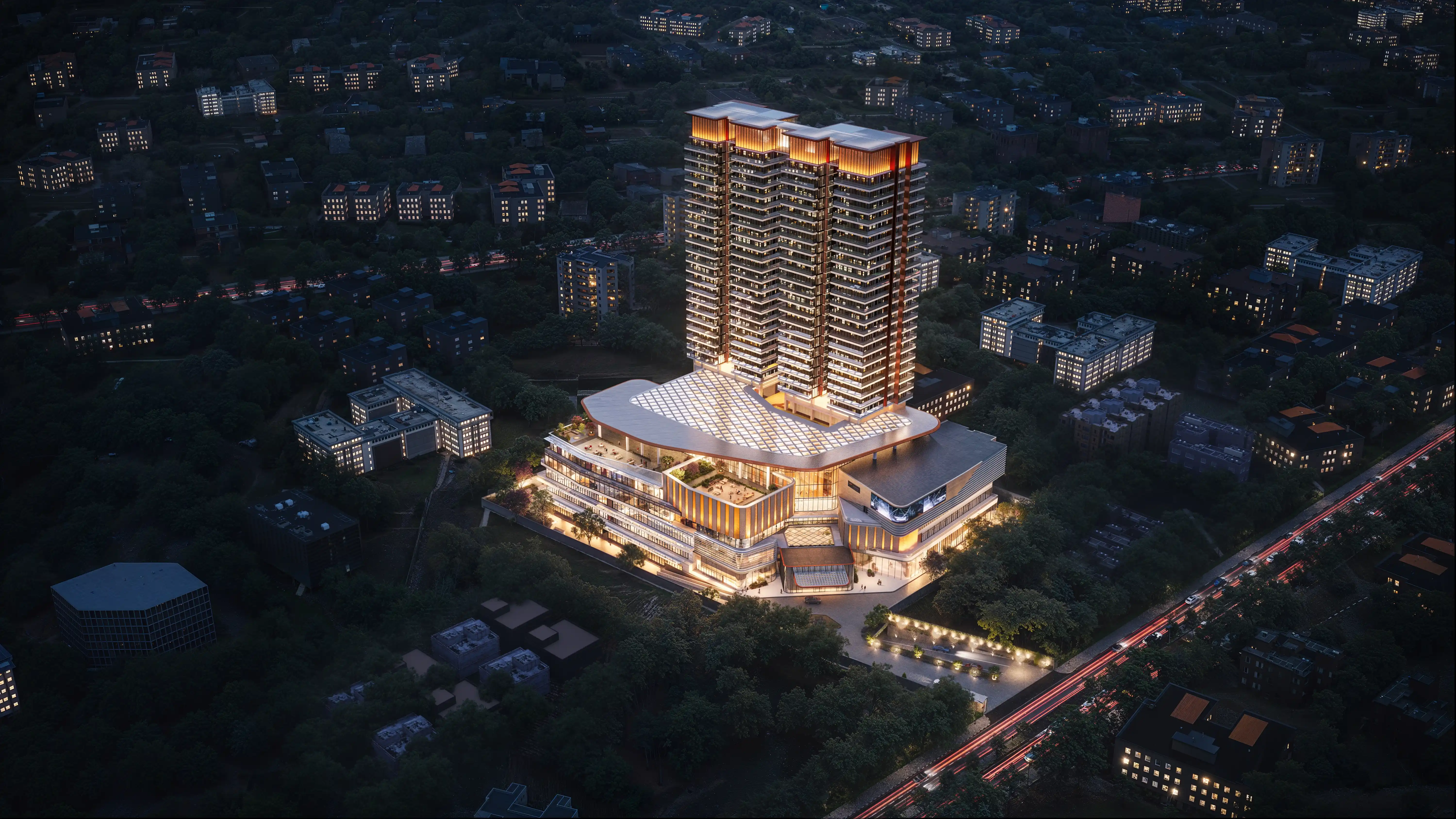
While anchors, such as large retailers or department stores, are constantly bringing foot traffic to the property, the vanilla stores take advantage of this for sales. Both anchor and vanilla stores play an essential role in deciding whether a commercial real estate investment is a success. Owning such properties that involve both types of stores will provide the investor with a balanced portfolio: stability through anchor long-term leases and higher yields on rental, through the vanilla stores. The upcoming project, Vedattam by SPJ Group in Gurgaon, will comprise anchor and vanilla stores which can cater to a wide variety of consumers. Strategically set up in one of the busiest commercial centres of Gurgaon, the upcoming project Vedattam promises to be one of the most dynamic retail experiences in the country with opportunities for large brands and minute retailers alike.
All this coupled with the sudden explosion of e-commerce and evolving shopper preferences, anchor and vanilla stores must evolve to remain relevant. Most malls are repositioning their anchor space by introducing experiential retail and entertainment; the vanilla stores just try offering a unique, one-of-a-kind experience that cannot be replicated online.
The retail industry is also shifting towards experiential formats, where customers are offered unique in-store experiences such as gaming zones, entertainment centres, and interactive showrooms.
In addition, omnichannel strategies like Buy Online, Pick Up In-Store (BOPIS) are becoming increasingly important, allowing retailers to bridge the gap between online and offline shopping.
Developers strategically position anchor stores at key locations to ensure smooth customer movement across different areas of the mall. This helps distribute footfall evenly, increases exposure for smaller stores, and enhances overall sales performance.
A well-planned tenant mix that includes both anchor and vanilla stores is essential for long-term success.
Q1. What is an anchor store?
An anchor store is a large retail outlet that attracts customers and drives footfall in a shopping mall.
Q2. What is a vanilla store?
A vanilla store is a smaller retail unit that depends on the footfall generated by anchor stores.
Q3. Why are anchor stores important?
They increase customer traffic and support the performance of other stores in the mall.
Q4. What happens if an anchor store closes?
It can lead to reduced footfall and impact the overall performance of the mall.
In today’s real estate investment climate, critical distinctions between anchor and vanilla stores have to be made to make proper decisions. Each shop type has its advantages and disadvantages. Successful investors in the retail sector in 2025 will, of course, be those who can achieve a delicate balance between stability and risk, with a healthy and profitable tenant mix for their retail properties. Whether investing in Gurgaon Delhi or Mohali, upcoming projects like Vedattam by SPJ Group go on to show the world how such long-term success can be attained if one combines anchor stores with vanilla stores. Contact us today to explore prime leasing opportunities and make a smart investment in commercial retail spaces.
Disclaimer: The information available in this advertisement is subject to change without any notice. While every effort has been made to provide the details, particulars, contents and other graphics appearances in this advertisement as updated, correct, complete and accurate, nevertheless, inadvertent errors may occur in the information. Further, our website(s) and other advertising and publicity material include artist’s impressions indicating the anticipated impressions of the appearance of completed development and do not constitute an offer, an invitation to offer and/or commitment of any nature between us and the recipient.
Disclaimer : The information available in this advertisement is subject to change without any notice. While every effort has been made to provide the details, particulars, contents and other graphics appearances in this advertisement as updated, correct, complete and accurate, nevertheless, inadvertent errors may occur in the information. Further, our website(s) and other advertising and publicity material include artist's impressions indicating the anticipated impressions of the appearance of completed development and do not constitute an offer, an invitation to offer and/or commitment of any nature between us and the recipient.
© Copyright 2026 SPJ, All Rights Reserved


