UGF- 6, Antriksh Bhawan, KG Marg, New Delhi-110001

In Gurugram, along the Dwarka Expressway, and across the NCR, the housing market is evolving. Buyers are no longer solely focused on the physical structure; they're seeking a lifestyle. Today's homebuyers are drawn to luxury homes and low-density options in Gurgaon, as well as properties near the Dwarka Expressway, because they want their investment to mirror their lifestyle choices, not just provide shelter.
This shift has made the underlying concept of real estate development philosophy crucial in residential planning. Projects lacking a well-defined housing philosophy risk congestion, insufficient infrastructure, and a decline in overall livability.
Projects that are developed around a residential planning approach are much more likely to succeed in creating sustainable communities.
With careful planning, land can be transformed into a lifestyle-driven ecosystem where elements such as connectivity, proper infrastructure, and open spaces are integrated at the very beginning of the planning process.
The urban development of Gurugram follows structured planning frameworks, including the Gurugram Master Plan 2031, which anticipates the construction of 16,021 hectares of residential development to accommodate a projected population of 4.25 million residents, with an average net residential density of 250 persons per hectare.
Additionally, the Master Plan encourages neighbourhood-based planning through the integration of:
1. Residential sectors together with community infrastructure
2. Green spaces and recreational areas
3. Commercial hubs and connectivity corridors.
This structured residential planning approach supports lifestyle-driven development, ensuring that homes become integrated into an entire urban ecosystem rather than independent towers.
Another important pillar shaping modern real estate development philosophy is regulation. The Haryana Real Estate Regulatory Authority (HRERA) has significantly increased transparency and reliability associated with all aspects of real estate development.
Key provisions include:
1. To avoid exceeding their project budgets, developers will now be required to deposit 70% of their project budgets into an escrow account until the completion of the project.
2. All developers must use standard calculations to determine the size of carpet areas when describing their properties.
3. Developers will now be required to provide the public with information regarding all project approvals, layouts and timelines.
As a result of this new regulatory structure, consumers will also be able to verify the details of projects and registrations directly on HaryanaRERA’s website, thus building trust and credibility in the real estate sector.
This regulatory structure encourages developers to adopt a disciplined housing philosophy and long-term development strategies.
The Haryana Township Policy promotes the partnership between landowners and developers by enabling landowners to pool and develop their land together.
The policy promotes a balanced approach to developing sectors by integrating residential, commercial, and infrastructure zones within one framework of development.
Planned zoning will help to prevent overcrowding in the rapidly growing urban corridor and will allow the project to grow in an orderly manner.
Project sites such as Dwarka Expressway, New Gurgaon and Sectors 113–114 are becoming the preferred locations for future planned residential development.
Better infrastructure, connectivity, and organised layouts are supporting lifestyle-driven development in these emerging NCR micro-markets.
SPJ Group, with over 30 years of local experience in planning and developing residential housing in Gurugram, will often align their projects with these planning guidelines and frameworks, using customer-driven residential planning and sustainable development.
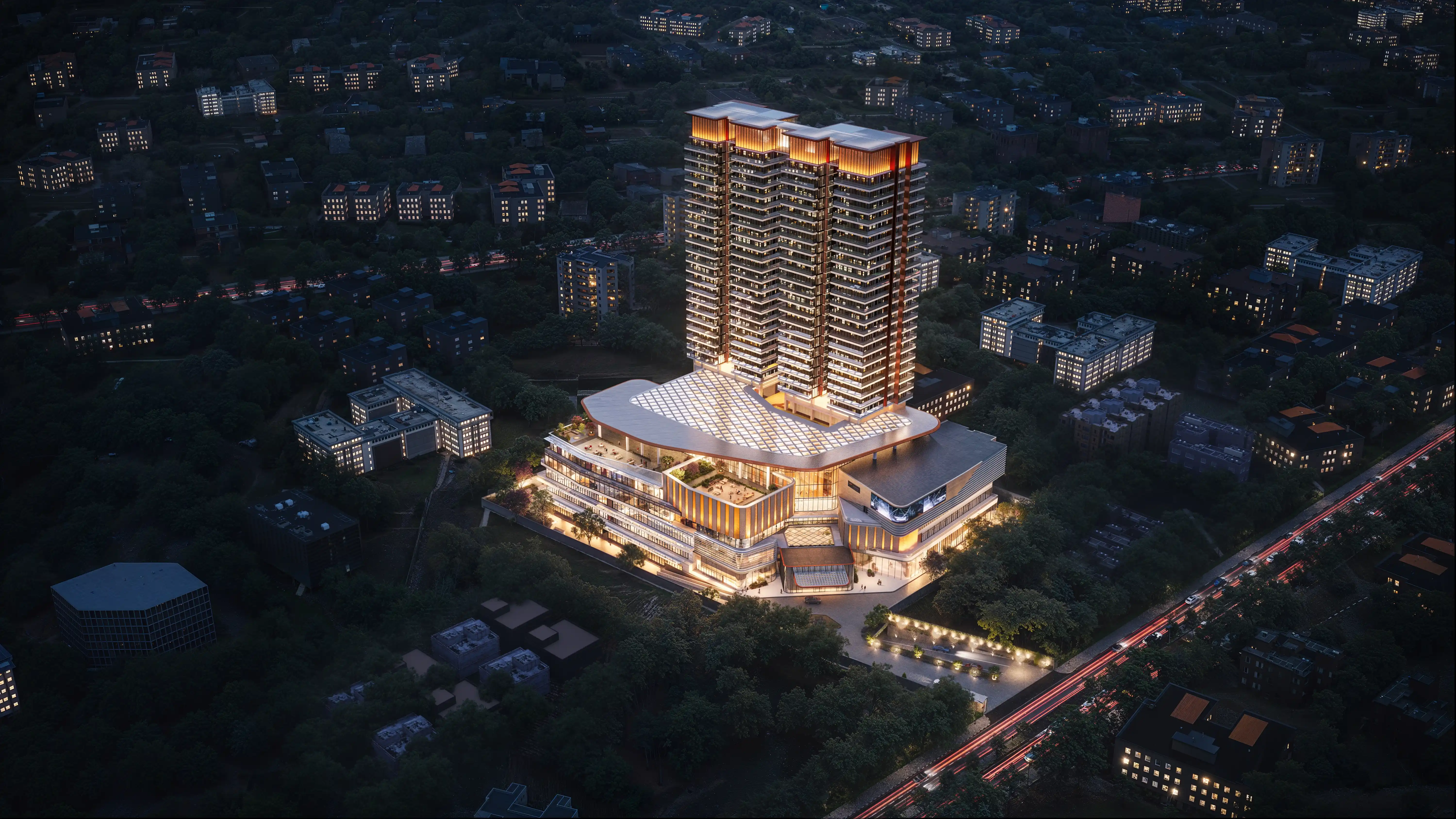
Consider the example of Vedattam, a project of the SPJ Group in Sector-14 Gurugram that is registered with HRERA (RC No. GGM/927/659/2025/30 dated 25.03.2025) and has been developed as a commercial plotted colony under Haryana's Migration Policy (2016).
The project reflects a “calm living in a connected city” housing philosophy, highlighting how a structured real estate development philosophy can shape spaces that balance accessibility with quality of life.
A strong real estate development philosophy directly influences how residents experience urban life. When developers follow a clear residential planning approach, the benefits include:
1. Better integration with infrastructure;
2. Improved open space/community amenities;
3. Higher long-term property values; and
4. Sustainable and livable neighbourhoods.
In rapidly growing markets like Gurugram, Dwarka Expressway, and NCR, developments built on a thoughtful housing philosophy tend to remain relevant as cities expand.
1. Real estate development philosophy is important to help create sustainable communities in growing cities.
2. The Gurugram Master Plan 2031 guides residential development with planned density and integrated infrastructure.
3. HRERA regulations improve transparency and are intended to protect homebuyers with respect to having an escrow account used for their financial transactions and disclosing certain information publicly.
4. The township policy of Haryana promotes the development of co-operative, structurally developed and lifestyle-driven development.
5. Developers such as SPJ Group align their development projects with the philosophy of modern residential planning approaches to create improved living environments.
1. How can I verify if a property in Gurugram is RERA registered?
Visit the Haryana RERA portal and search using the project name or registration number to check approvals, timelines, and compliance details.
2. Which areas in Gurgaon are best for property investment?
High-growth micro-markets include Dwarka Expressway, Golf Course Extension Road, Sohna Road, and New Gurgaon due to strong connectivity and upcoming infrastructure.
3. What legal documents should I check before buying property in NCR?
Verify the title deed, encumbrance certificate, RERA registration, approved building plans, and occupancy/completion certificates to ensure the property is legally compliant.
4. How important are infrastructure and connectivity when buying a home in Gurgaon?
Connectivity to expressways, metro corridors, business districts, schools, and hospitals significantly impacts both livability and long-term property value.
5. Should I deal only with RERA-registered brokers and developers?
Yes. HRERA advises buyers to work only with registered agents and RERA-approved projects to avoid misleading claims, legal disputes, or delayed developments.
Disclaimer : The information available in this advertisement is subject to change without any notice. While every effort has been made to provide the details, particulars, contents and other graphics appearances in this advertisement as updated, correct, complete and accurate, nevertheless, inadvertent errors may occur in the information. Further, our website(s) and other advertising and publicity material include artist's impressions indicating the anticipated impressions of the appearance of completed development and do not constitute an offer, an invitation to offer and/or commitment of any nature between us and the recipient.
© Copyright 2026 SPJ, All Rights Reserved


