UGF- 6, Antriksh Bhawan, KG Marg, New Delhi-110001
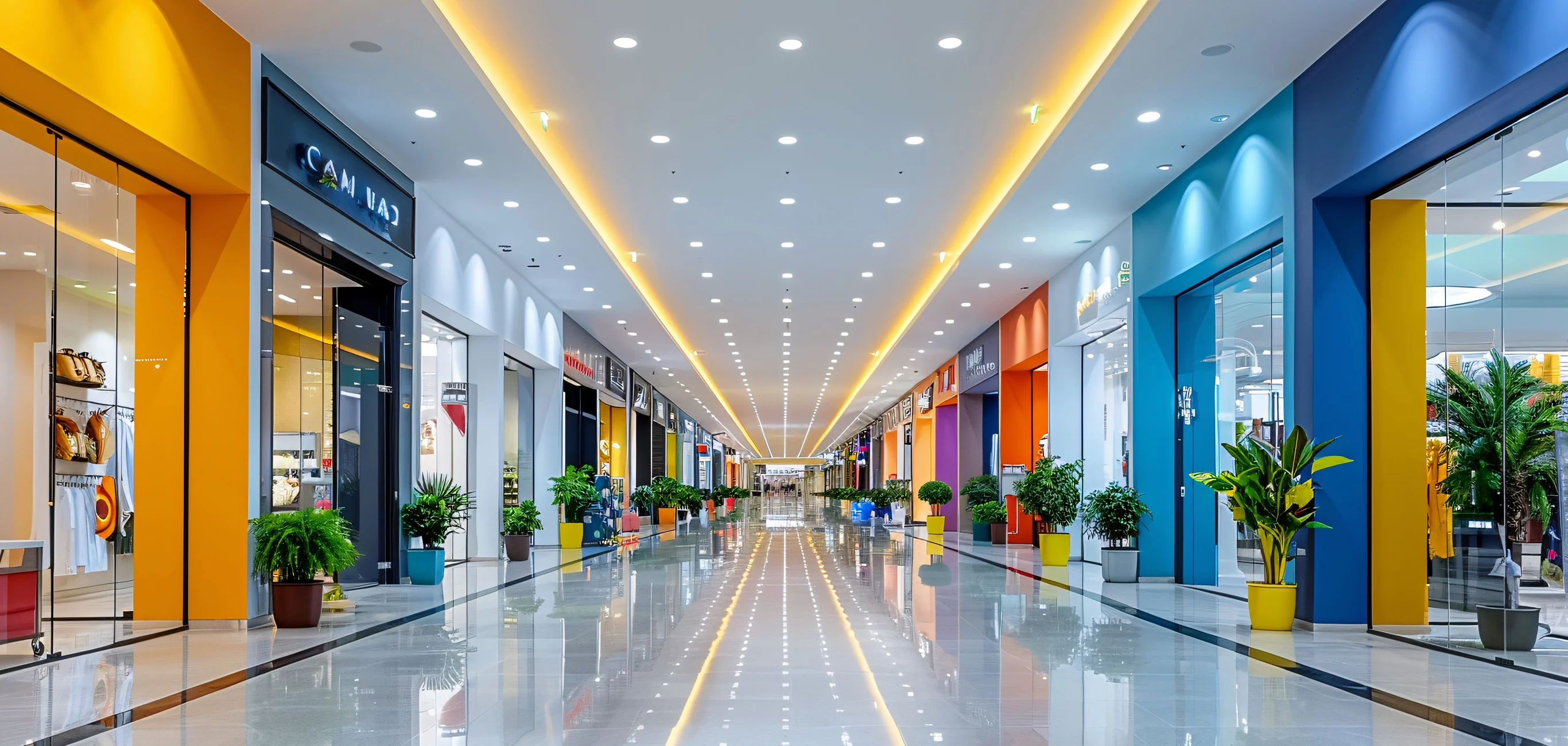
In today's commercial real estate market, people do not visit destinations just to shop. They come for experiences. This is why F&B brands have emerged as powerful footfall drivers in mixed-use developments. For developers, the right dining anchor can transform a project into a thriving destination with stronger visibility, longer dwell times, and higher tenant success. Here is the complete strategy for how developers can plan for their F&B anchor tenant.
People prefer luxury and trusted places to spend family or personal time, and F&B anchors play a vital role in this area. Instead of leasing to any cafe, choosing an established F&B anchor tenant commercial project India model can significantly increase footfall. Few places become go-to spots for the public, and strategizing around such an anchor is a win-win because the brand already has a market presence, directly contributing to stronger footfall across the project. In metro cities and even tier-2 cities, casual dining is a recurring activity, and incorporating this kind of strategy increases repeat visits and overall footfall.
F&B anchors have daily, weekly, and seasonal demand patterns, contributing to better footfall throughout the year. A strong anchor of this type can ensure consistent customer movement across all seasons. Activating the project beyond traditional retail timings helps improve footfall throughout the day, while longer customer stays improve overall spending across the project and support tenant success. The spillover effect from a well-chosen anchor benefits retail, entertainment, and service businesses, making this a valuable leasing strategy overall.
Developers should prepare for an F&B anchor strategy during the concept planning stage itself, since these anchors usually require larger spaces and planned layouts, and dedicated parking can further improve footfall. Analysing the location to understand customer demographics, lifestyle preferences, connectivity, and nearby competition is essential before selecting the right anchor for a project.
During master planning, destination dining requires a prominent location with larger seating capacity and visibility. Dedicated parking increases convenience and positively impacts overall footfall, and during leasing strategy development, flexible terms and long-term agreements help attract quality F&B brands and strengthen the project's commercial ecosystem.
Placement matters as much as selection. An anchor placed on the ground floor generally experiences higher footfall and visibility than one placed on upper floors. Planning visitor movement efficiently across the project helps improve food court mixed use development footfall and tenant performance, while grouping restaurants, cafes, and dessert brands together creates a dining hub that boosts overall footfall further. Hidden or low-visibility areas should be avoided entirely ,prime frontage locations consistently perform better.
Strategic placement can establish the identity of an entire destination. Consumers often search for restaurant brands rather than market names, which helps increase visibility and contributes to higher footfall across the project.
Building an effective F&B-led tenant mix means thinking across categories. A legacy brand such as Haldiram's can serve as the primary anchor and attract families reliably. Affordable casual dining options appeal to younger audiences who contribute significantly to footfall growth. Cafes cater to professionals, students, and social gatherings, supporting all-day activity, while dessert concepts such as Theos or Snowberry help complete the dining ecosystem and add to overall footfall.
To maximise customer visits throughout the day, developers should include bakeries and sweet shops for morning traffic, cafes for breakfast and lunch crowds, and casual or fine dining restaurants for evening visitors. This balanced tenant mix supports consistent footfall across all hours and strengthens the overall F&B anchor tenant commercial project India strategy from concept to completion.
Disclaimer : The information available in this advertisement is subject to change without any notice. While every effort has been made to provide the details, particulars, contents and other graphics appearances in this advertisement as updated, correct, complete and accurate, nevertheless, inadvertent errors may occur in the information. Further, our website(s) and other advertising and publicity material include artist's impressions indicating the anticipated impressions of the appearance of completed development and do not constitute an offer, an invitation to offer and/or commitment of any nature between us and the recipient.
© Copyright 2026 SPJ, All Rights Reserved


