UGF- 6, Antriksh Bhawan, KG Marg, New Delhi-110001

A 2-3% improvement in density planning, through better layouts and tower positioning, can significantly enhance ventilation, daylight access, and community spaces.
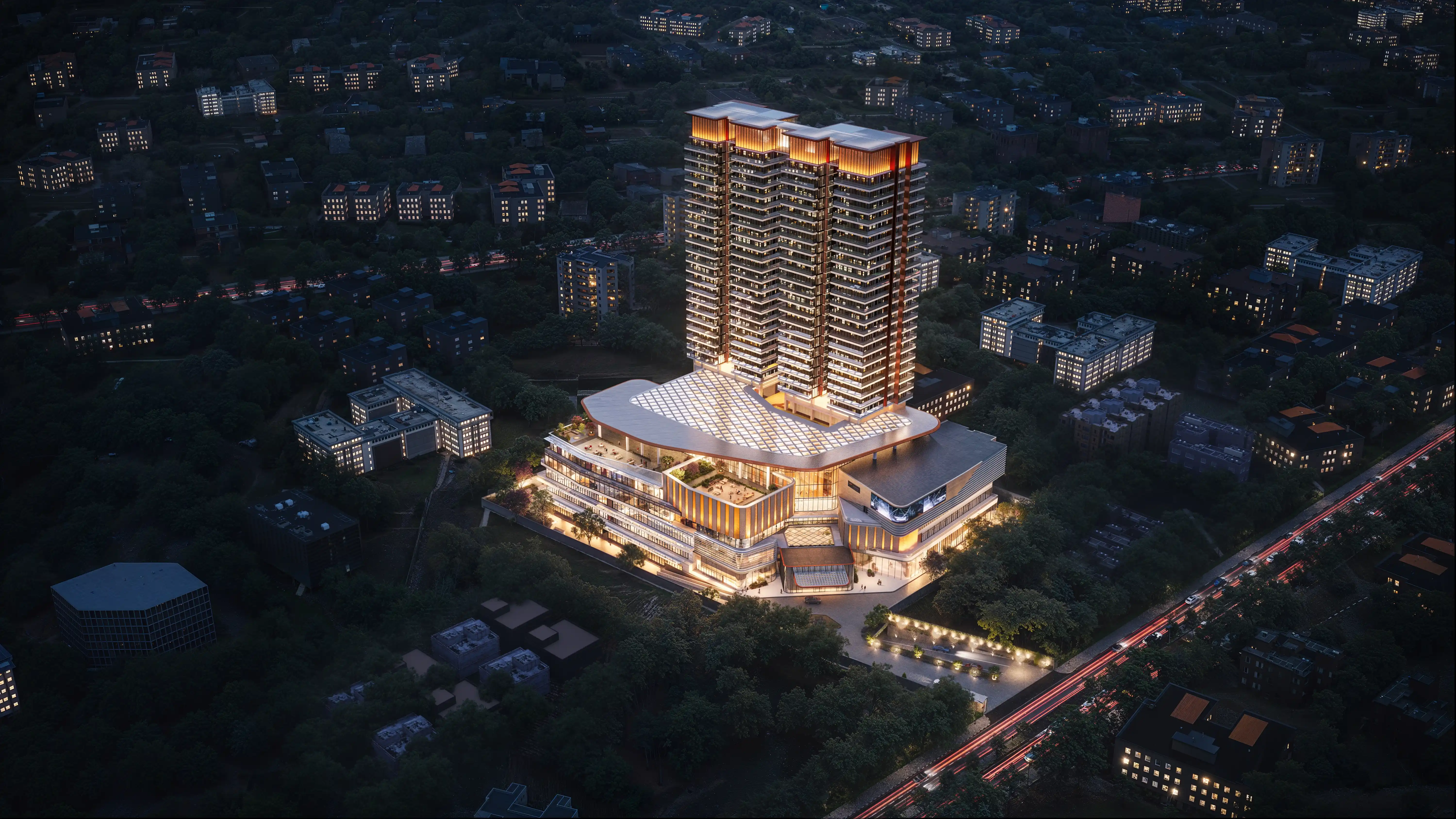
Real estate in India is becoming more complex than simply building houses. Today, buyers judge homes based on how they are designed, how they relate to the environment, and whether they will remain functional in the years to come. This shift is leading to the rise of design-led real estate, where architecture sits at the core, delivering value, sustainability, and a higher standard of living.
With cities growing rapidly, land prices increasing, and lifestyle changes influencing architectural planning, thoughtful design has become more important than ever. Major urban markets such as Delhi-NCR, Mumbai, and Bengaluru are increasingly shaped by well-designed developments that offer open spaces and buildings that respond effectively to climate conditions.
Design-led real estate is a type of development in which architecture is the driving force behind the entire project, from the master plan to the design of the smallest detail inside the building.
It focuses on architecture as follows:
1. Efficient use of space
2. Use of natural light and ventilation
3. Use of many natural elements, including plants and trees
4. Smart technology capable of supporting future technologies
5. Sustainable use over the long term
As urban populations continue to increase due to future urban density, housing designed with design-led real estate solutions will help to ensure that living conditions remain comfortable for future residents.
Architecture impacts both how people view properties as well as their future value on the open market.
Design-focused housing that considers air quality, daylighting, and efficient use of space results in pleasurable experiences for homeowners and limits their reliance on artificial light and mechanical means of cooling.
Research demonstrated that properties with strong biophilic design elements (natural light, plants, and nature views) result in rental values that are 8-12% higher than properties built using typical building methods. Medium.com
Distinctive architectural design creates ongoing demand for resold properties. An increasing number of buyers are seeking residential properties that have contemporary design and sustainable construction features.
Architecture today is shaping not only buildings but also entire urban lifestyles.
Due to recent reforms like RERA, environmental compliance is now a legal requirement. Research conducted by CREDAI-Colliers reveals that about two-thirds of Grade A office properties throughout India’s top cities are now certified as green buildings, with energy savings of between 11% and 22%.
Post-COVID housing preferences have shifted towards open layouts, natural light, and integrated green spaces. Biophilic design in modern residential buildings has been shown to reduce stress levels, enhance air quality indoors, and provide residents with a healthier environment than traditional residential building designs.
Today’s homes should be designed to support remote work, flexible spaces, and multipurpose rooms. Smart architectural planning ensures homes can adapt to changing lifestyle needs without compromising space efficiency.
India’s smart home sector is experiencing rapid growth and is projected to grow at a compound annual growth rate (CAGR) of 31.6%, reaching a total estimated market value of nearly USD 33 billion by 2030. Proper architectural design will enable developers to incorporate smart automation systems, digital security infrastructure, and electric vehicle-ready parking. MarketsAndMarkets
Large-scale mixed-use developments combine residential apartment buildings, office space and community infrastructure inside one single neighbourhood.
An example of this can be seen in NCR, where developments of this nature have provided the surrounding area with approximately 2.9 times higher land values, as good urban design decreases travel time and improves the attractiveness of the surrounding area as a place to live
Successful housing projects today almost always have six modern residential design features in common. These include:
1. Density through planning with a balanced approach to providing more usable outdoor space.
2. A cross-ventilated building design for better indoor air quality.
3. Building location to take advantage of natural light and reduce energy demands on buildings.
4. Use of integrated landscaping to promote the surrounding environment.
5. Installation of current technologies to create "smart" homes.
6. Building community-focused spaces with appropriate walkability and amenities that can be shared.
These features are critical to the successful design of housing projects, especially in the larger & rapidly growing urban areas.
1. Design-led real estate has become an essential criterion for evaluating property values and buyers' interest in purchasing a home.
2. Strong architectural planning improves both lifestyle quality and long-term asset performance.
3. Houses with biophilic or natural elements can achieve 8-12% higher rents and 15?ster price appreciation.
4. Government-imposed sustainable construction guidelines and green certification processes are changing the way residential properties are constructed throughout India.
5. Smart home technology and modern residential design elements of wellness will shape the future of residential building design.
1. Why does architecture matter in real estate?
Architecture determines how efficiently space is used, how sustainable a project is, and how comfortable and functional the living environment becomes for residents.
2. Will AI replace architects by 2030?
AI may assist in data analysis and design simulations, but architects will remain essential for creativity, contextual planning, and human-centric design.
3. What are the 3 C’s of architecture?
The three C’s are Context, Concept, and Construction, which guide how a building fits its surroundings, expresses a design vision, and is structurally executed.
4. How does design-led real estate benefit homebuyers?
Design-led real estate focuses on better architectural planning, natural light, ventilation, and open spaces, improving long-term liveability and property value.
5. How does SPJ approach design-led real estate in its developments?
SPJ focuses on thoughtful architectural planning, sustainable design, and modern residential layouts to create communities that balance comfort, efficiency, and long-term value.
Disclaimer : The information available in this advertisement is subject to change without any notice. While every effort has been made to provide the details, particulars, contents and other graphics appearances in this advertisement as updated, correct, complete and accurate, nevertheless, inadvertent errors may occur in the information. Further, our website(s) and other advertising and publicity material include artist's impressions indicating the anticipated impressions of the appearance of completed development and do not constitute an offer, an invitation to offer and/or commitment of any nature between us and the recipient.
© Copyright 2026 SPJ, All Rights Reserved


