UGF- 6, Antriksh Bhawan, KG Marg, New Delhi-110001
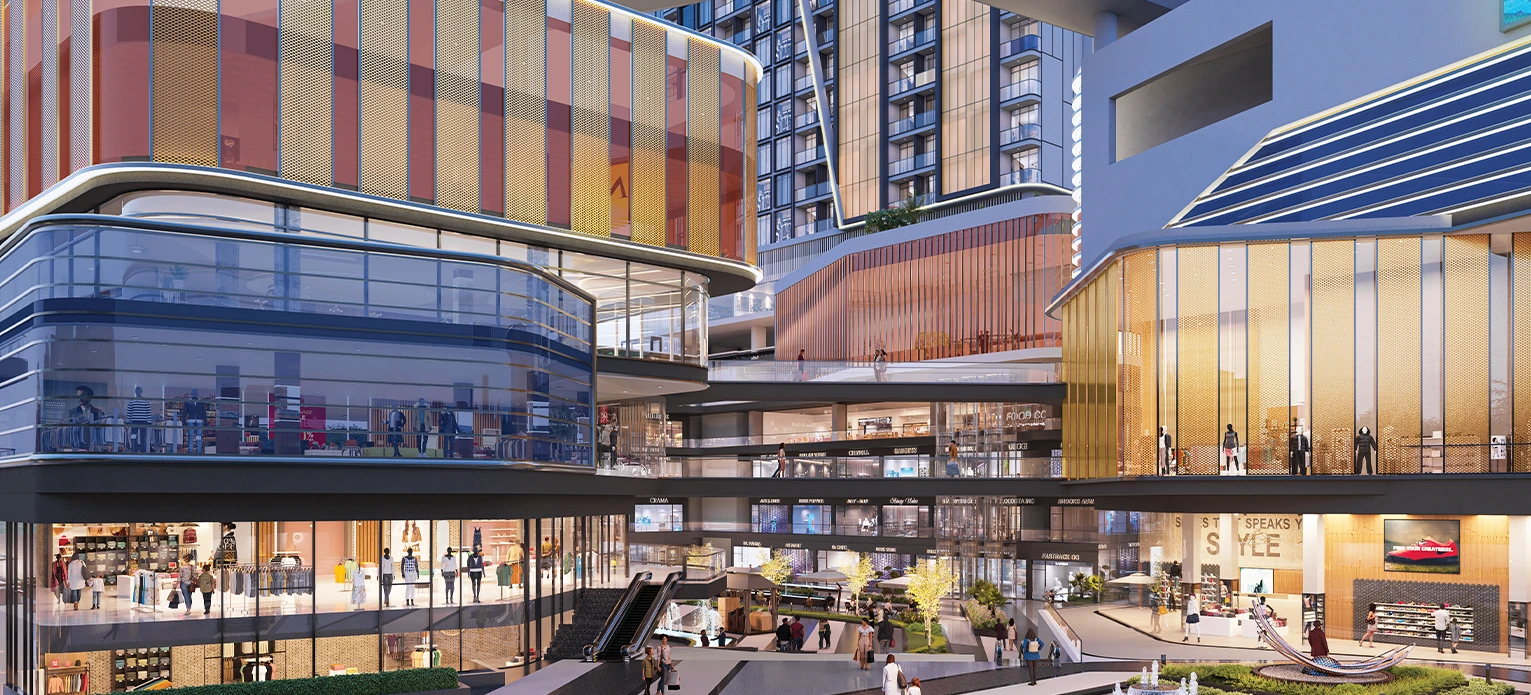
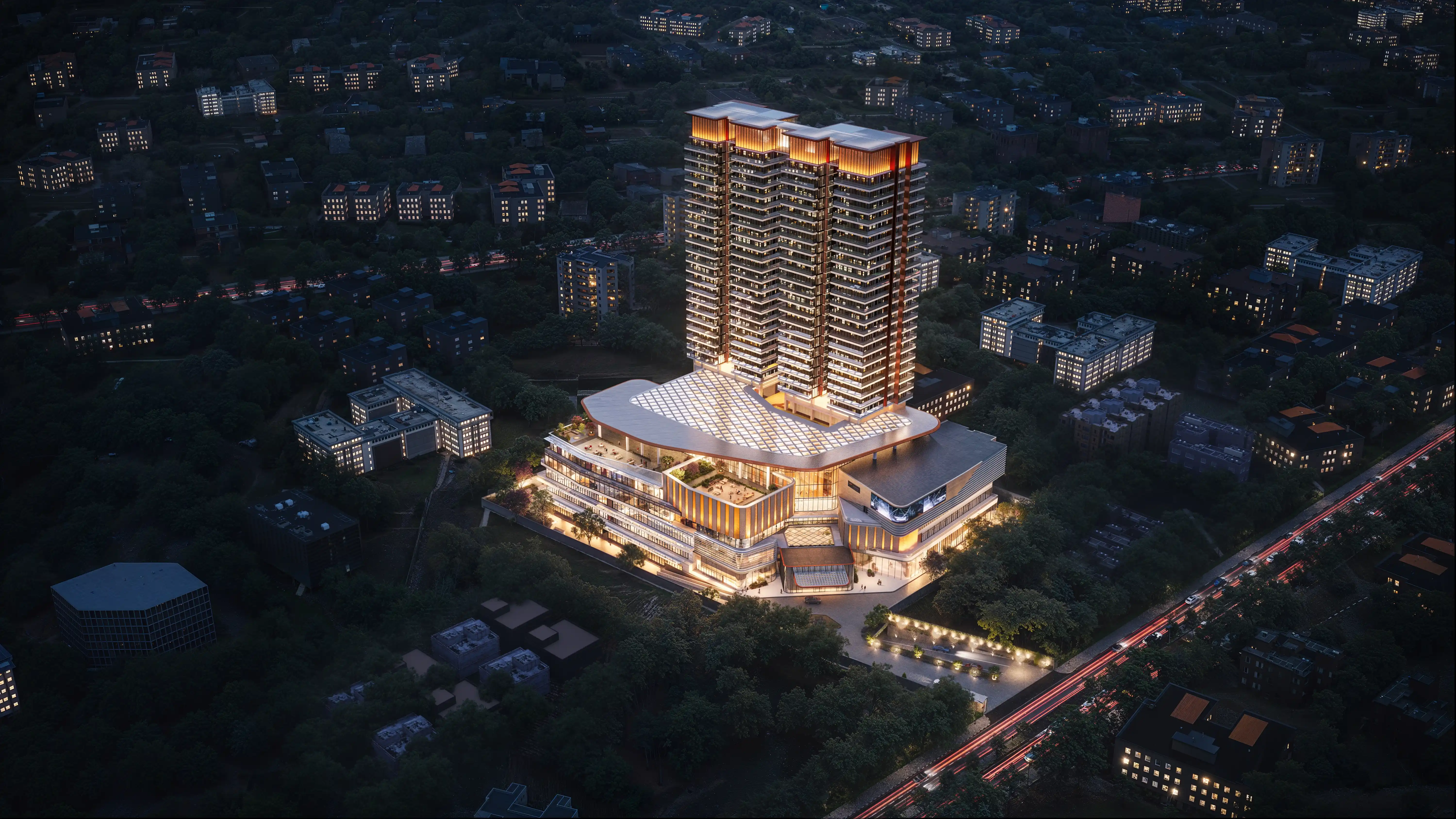
In 2025–2026, the residential market in Gurgaon is evolving into more community-centric planning. Projects are being planned with people in mind, prioritising their well-being and simplifying their daily lives, rather than the structures themselves. New studies show that lifestyle-oriented communities command a 10-15% price premium over conventional suburban developments.
As homebuyer attitudes and preferences continue to evolve toward wellness, accessibility, work-life balance, and lifelong benefits, developers are placing greater emphasis on designing residential communities that foster social interaction among residents. TridentRealty
Gurugram's RERA figures reveal that in 2025, 131 projects, worth ₹86,588 crore, received approval. This translates to the potential for over 35,455 new units, a clear sign of robust investor interest and a move toward substantial, integrated developments.
Why Developers Are Focusing on Community-Centric Planning
Developers across NCR are making community-centric planning a central tenet of their development approach.
Developers across NCR are increasingly adopting community-centric planning as a core development strategy. Several factors contributing to the increasing popularity of community-centric planning include:
1. Homebuyers are embracing integrated community living developments over isolated apartment complexes.
2. Increasing buyer demand for walkable residential communities with a strong component of social infrastructure.
3. The increasing amount of new infrastructure being developed along key transportation corridors, including 4. 4. Dwarka Expressway, Southern Peripheral Road and Golf Course Extension Road.
5. Regulatory transparency and buyer protection through RERA approvals and compliance.
6. Post-COVID demand for lifestyle planning and developments that promote wellness, health and well-being.
These factors are reshaping how residential communities are designed in Gurgaon and other NCR markets.
Large-scale township developments are becoming key examples of community-focused planning for urban real estate in India. One example of these types of developments is M3M Gurgaon International City (GIC).
The key features of GIC include:
1. Integrated township spanning over 150+ acres along Dwarka Expressway
2. Development investment of about ₹7,200 crore and expected total revenue of about ₹12,000 crore
3. Designed with a “Forest Living” concept
Source- Hindustan Times
Additionally, the development plans to integrate community living spaces, wellness facilities, and sustainable design in its residential communities with features such as:
1. Urban Forests and landscaped trails
2. Green Mobility Corridors
3. Community Wellness Zones
4. Social Gathering Areas
Another example of thoughtful development can be seen in projects by SPJ Group, a Gurgaon-based developer with more than three decades of experience in residential and commercial real estate. The company focuses on future-ready developments that balance functionality, sustainability, and lifestyle planning, reflecting the growing emphasis on integrated community environments.
Well-designed communities create stronger demand among both homebuyers and investors.
Key value drivers include:
Residential community designs that are predominantly lifestyle-centric generate 10-15% higher prices than comparable housing clusters.
Projects that incorporate rainwater harvesting facilities, solar power generation, and green design elements have been observed to have an additional value of approximately 10% due to decreasing operating costs.
Townships living in NCR designed to integrate work, retail, and residential areas will help residents achieve a better balance between work and personal life.
Social infrastructure, such as schools, healthcare facilities, parks and retail centres, will continue to benefit community living and offer value to homebuyers.
Areas with planned township ecosystems, such as the Golf Course Extension Road corridor, have seen home prices almost double due to increased buyer demand.
Gurgaon’s future residential growth is closely tied to large-scale township planning and integrated communities.
Future trends in the housing market include:
1. Rapid infrastructure growth on Dwarka Expressway & Global City township
2. Rising need for self-sustainable residential community designs
3. Increasing interest in NRIs and long-term investments
4. Regulatory control due to RERA
Community-centric planning will have a major influence on the future of residential development throughout the National Capital Region (NCR).
1. Community-centric planning has changed the landscape of residential real estate development in Gurgaon, shifting emphasis toward lifestyle planning and township development.
2. Integrated community living spaces with wellness and sustainable infrastructure could be sold for a 10-15% premium above traditional community homes in Gurgaon's township developments.
3. The NCR real estate market saw 131 RERA-approved projects valued at ₹86,588 crore in 2025; such activity indicates strong confidence from buyers in large-scale developments.
4. Thoughtful design and lifestyle planning for residential communities can enhance the livability and long-term value appreciation potential of an area.
5. As the infrastructure of the Gurgaon corridors continues to develop, community-centric planning will remain a primary driver of residential real estate value appreciation.
1. What are the methods of community planning?
Common methods include participatory planning, data-driven planning, public consultations, workshops (charrettes), and collaborative decision-making with residents and stakeholders.
2. What are the 5 C's of community planning?
The 5 C’s are Complete, Compact, Connected, Complex, and Convivial, which together describe neighbourhoods that are functional, walkable, socially interactive, and well-integrated.
3. How do community projects enhance unity in the community?
Community projects encourage collaboration, shared goals, and social interaction, helping residents build trust, cooperation, and a stronger sense of belonging.
4. What are the benefits of community-based organisations?
Community-based organisations improve local problem-solving, provide social support, mobilise resources, and empower residents to participate in development decisions.
5. What are the benefits of community participation in urban planning?
Community participation increases transparency, improves resource use, and ensures development reflects local needs while building public trust in planning decisions.
Disclaimer : The information available in this advertisement is subject to change without any notice. While every effort has been made to provide the details, particulars, contents and other graphics appearances in this advertisement as updated, correct, complete and accurate, nevertheless, inadvertent errors may occur in the information. Further, our website(s) and other advertising and publicity material include artist's impressions indicating the anticipated impressions of the appearance of completed development and do not constitute an offer, an invitation to offer and/or commitment of any nature between us and the recipient.
© Copyright 2026 SPJ, All Rights Reserved


